Combining climate finance, ecological science, and generational Indigenous stewardship to regenerate one of the world’s most critical biodiversity hotspots.
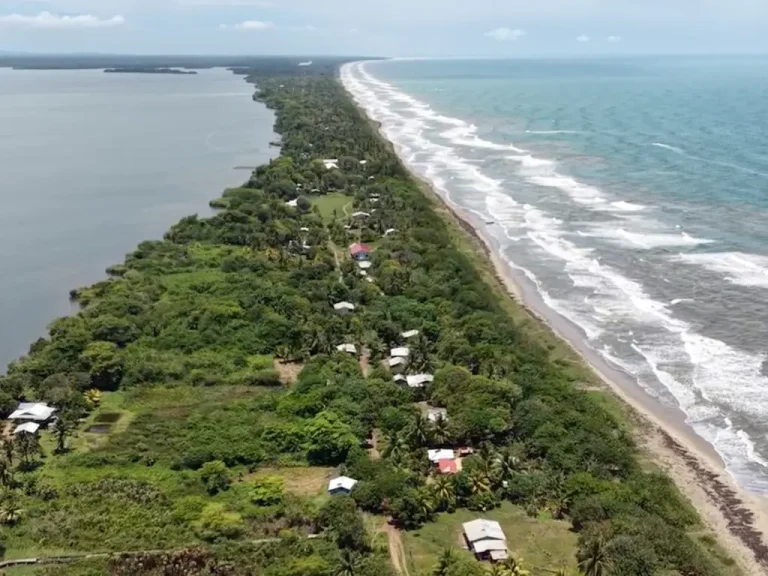
At Verdama Earth, we restore vital ecosystems by originating high-impact projects in global biodiversity hotspots. Our flagship initiative is based in Honduras, one of the world’s richest yet most threatened biodiversity regions, home to 2.5% of all known species.
The Threat to Primary Forests
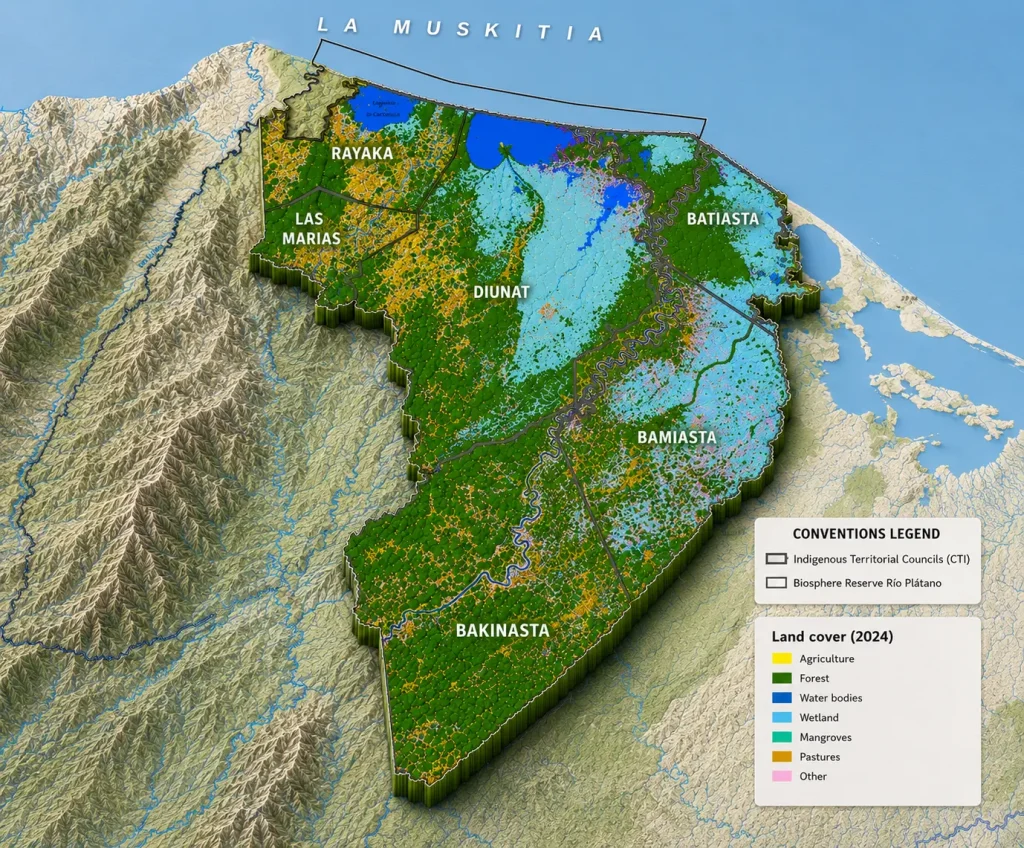
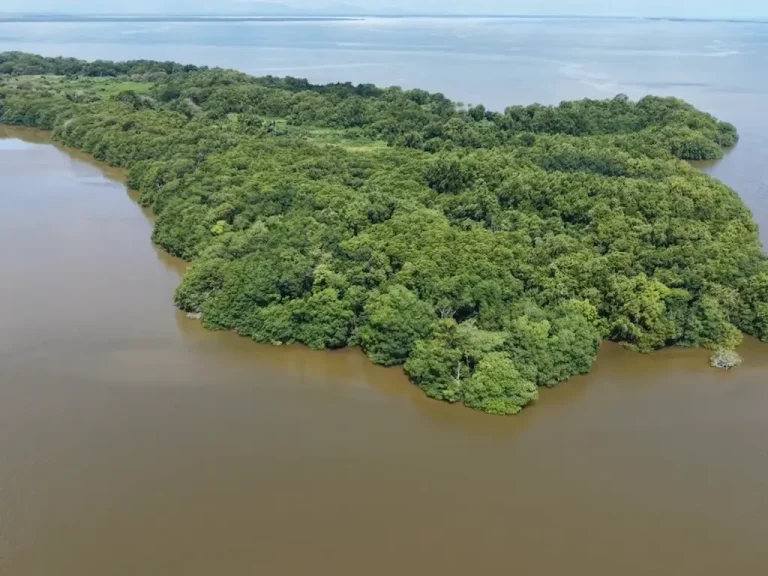
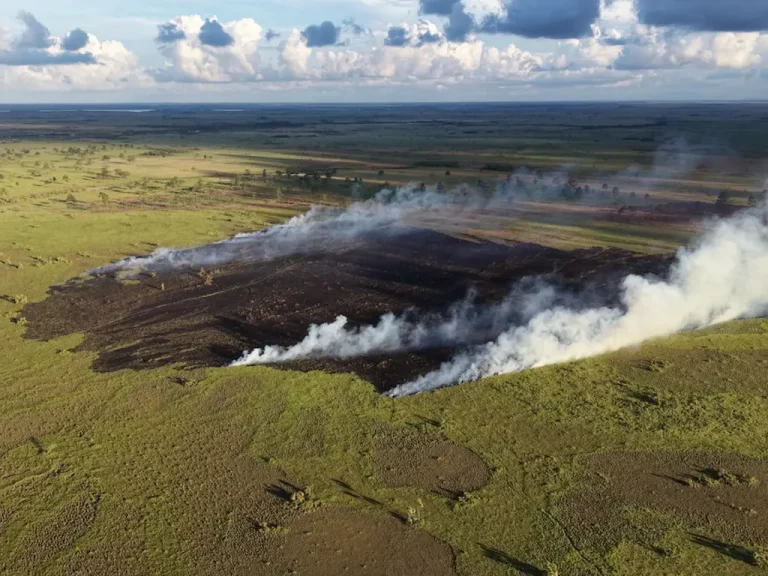
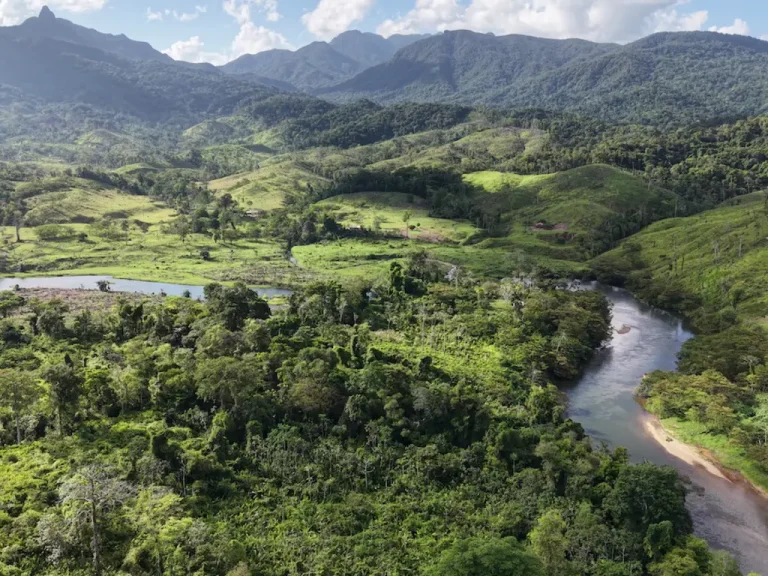
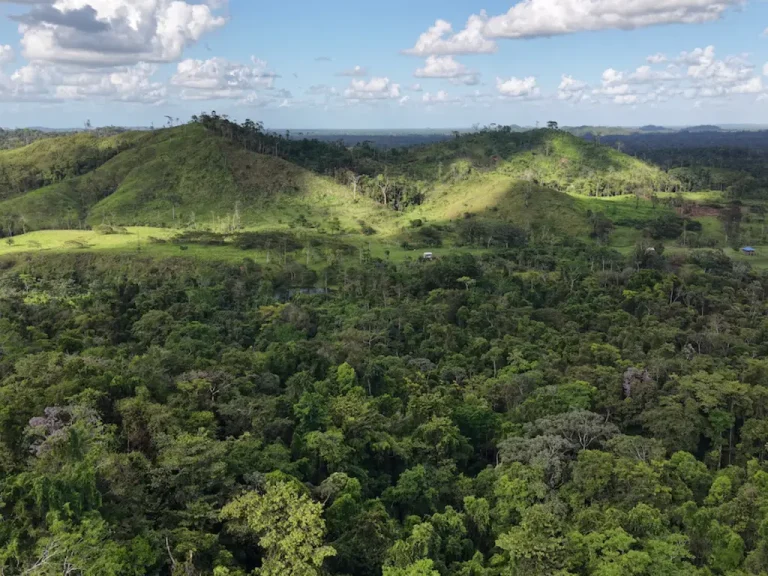
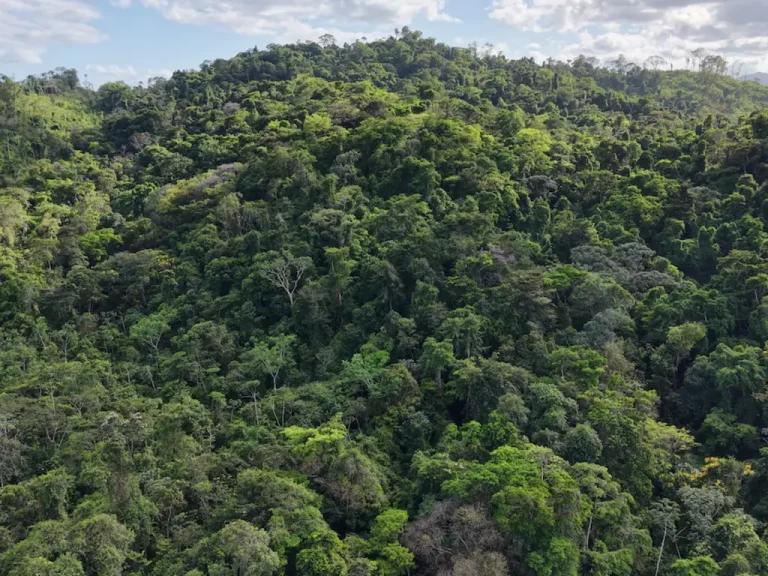
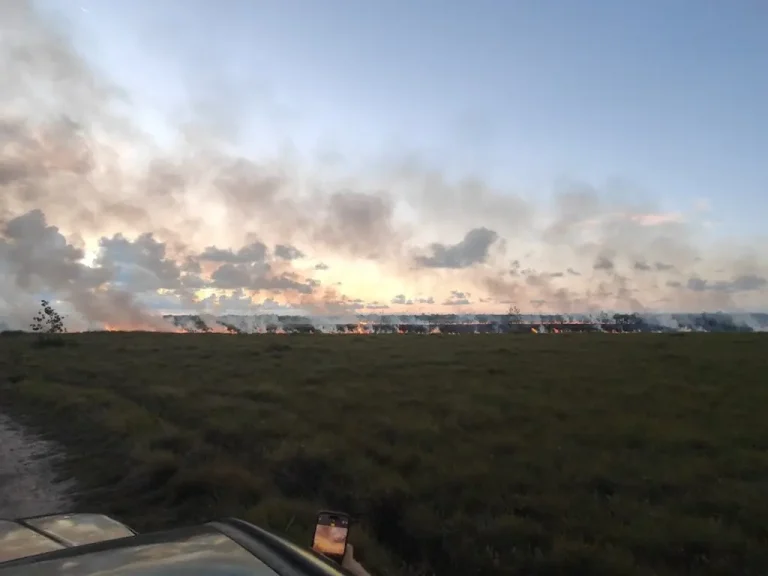
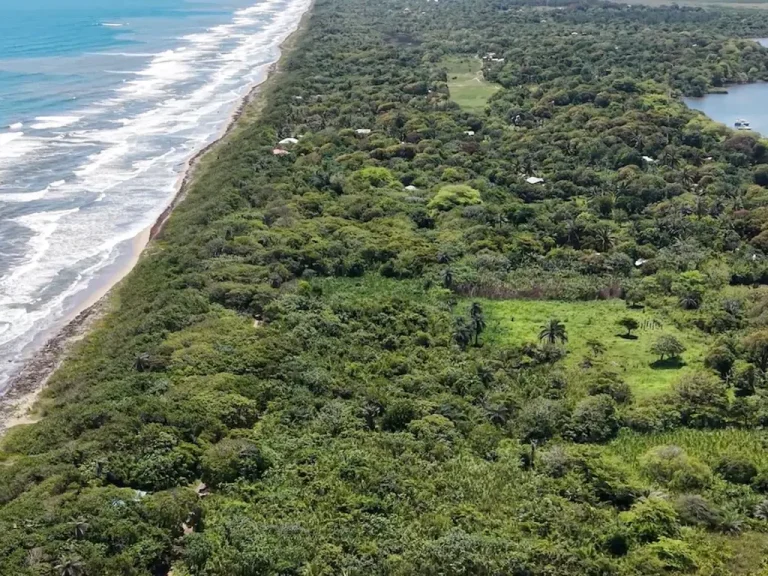
Since 2010, La Muskitia has experienced severe encroachment of its primary forests, with coastal, wetland, riparian, and grassland ecosystems also under acute pressure. This region is one of the world’s richest yet most threatened biodiversity hotspots, home to 2.5% of all known species. Despite its global ecological importance more than 250,000 hectares of forests have been lost in the past 25 years.
Our project addresses this crisis by developing high-integrity, nature-based carbon programmes and ecosystem services designed to protect and rapidly regenerate these vital landscapes, working hand‑in‑hand with the communities who know and depend on them.
Community & Cultural Integration
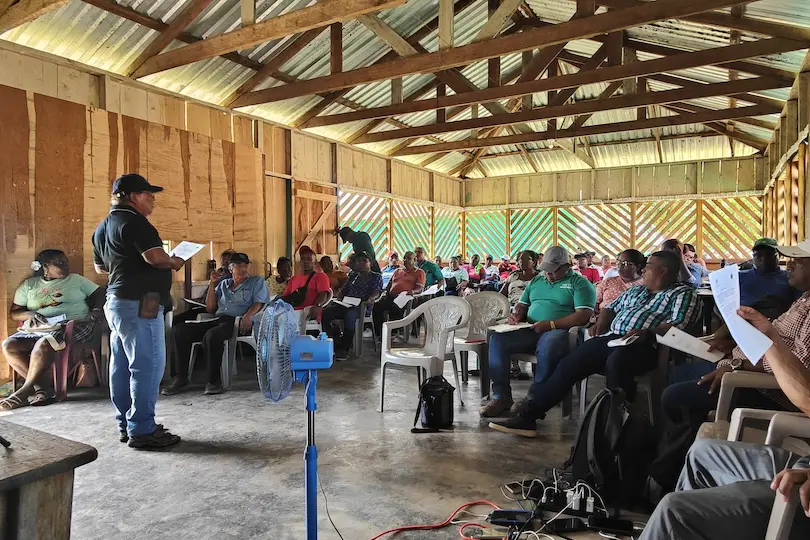
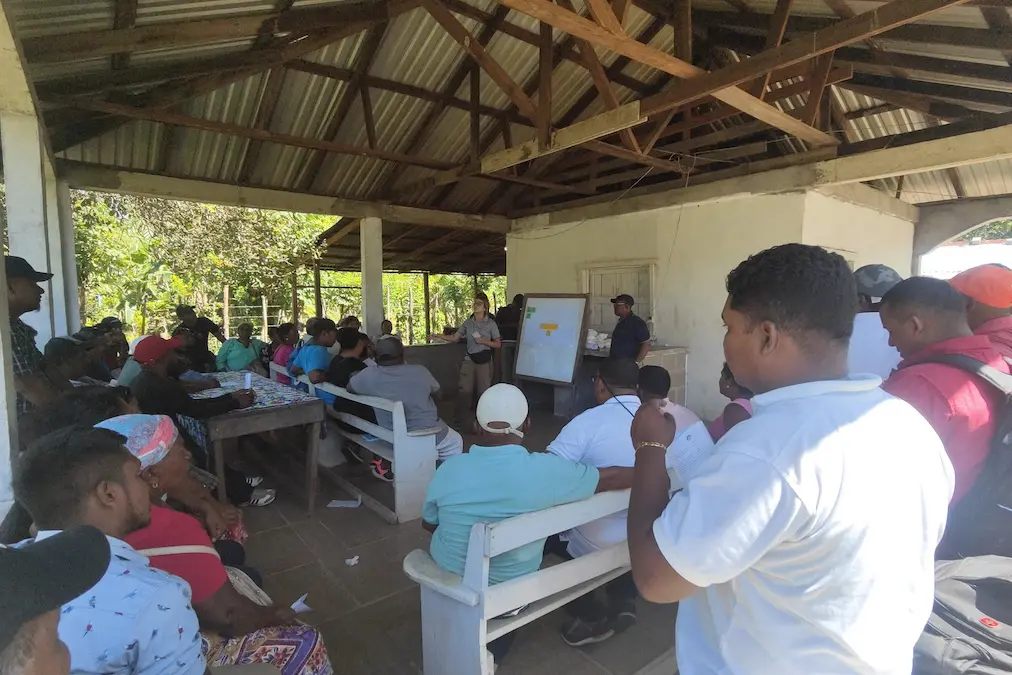
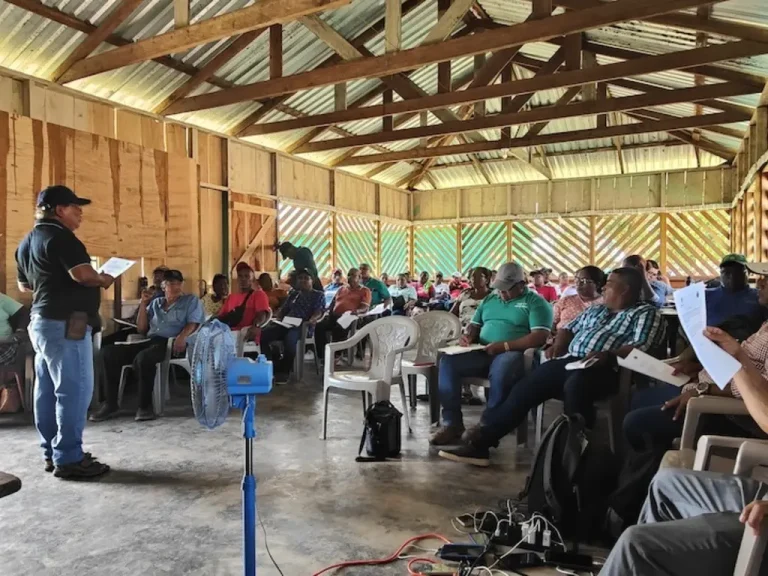
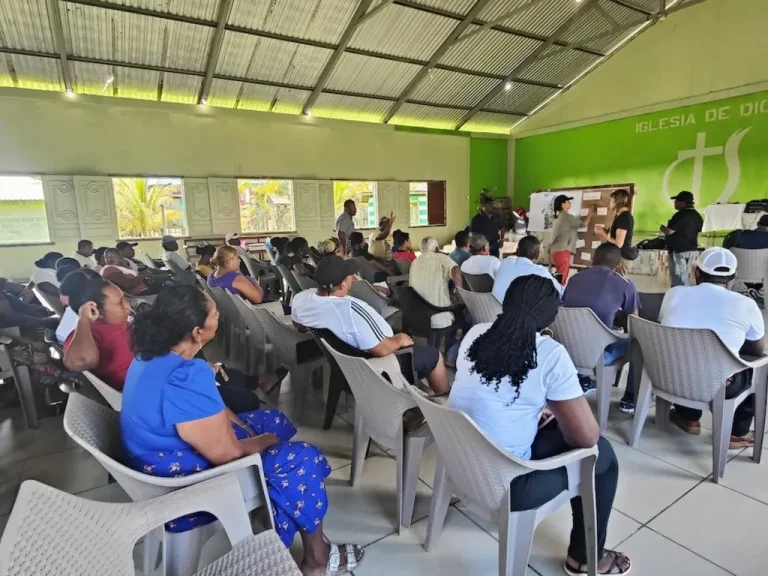
Ecological restoration at Verdama Earth is rooted in equity and respect for place. We recognize that true, long-term carbon capture is impossible without the generational land stewardship of local communities.
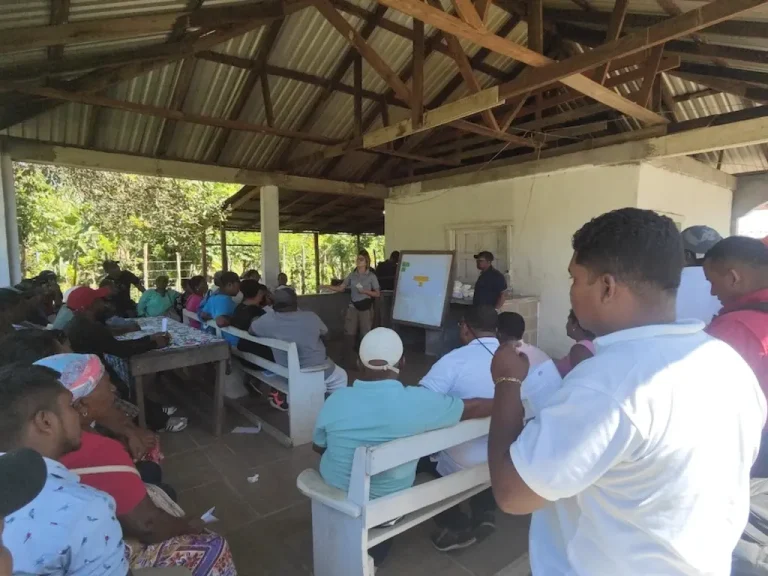
Our team leads interactive workshops and planning sessions directly within the territory, aligning our scientific goals with the ancestral knowledge and cultural heritage of Miskitu professionals and residents.
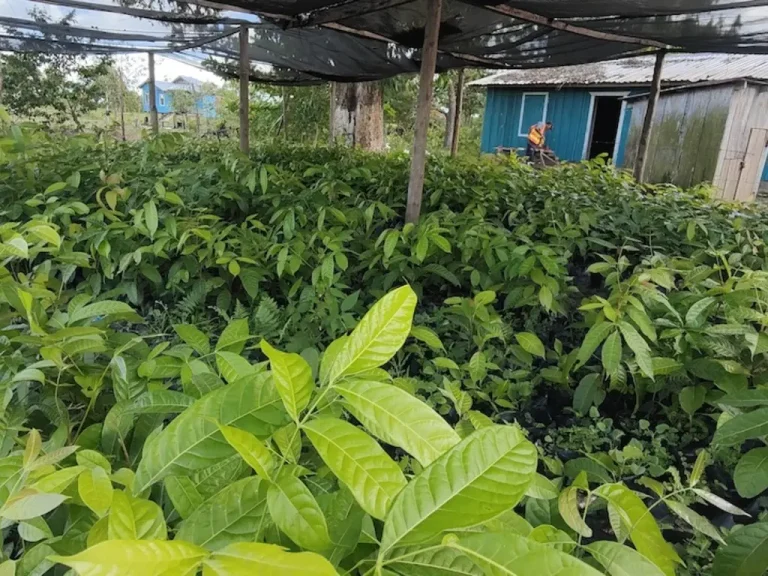
Establishing Shade Nurseries
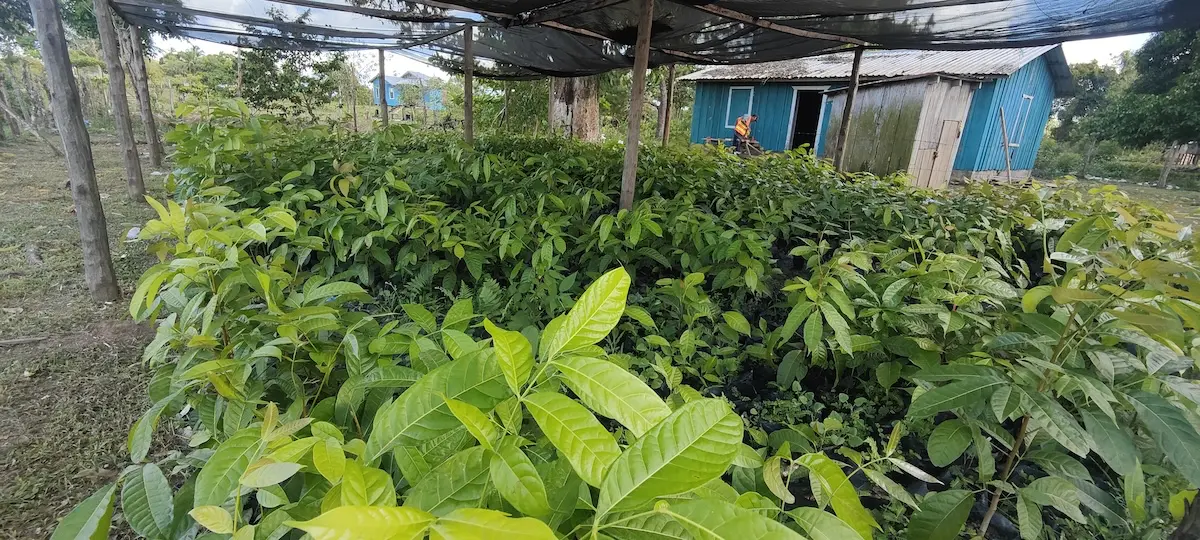
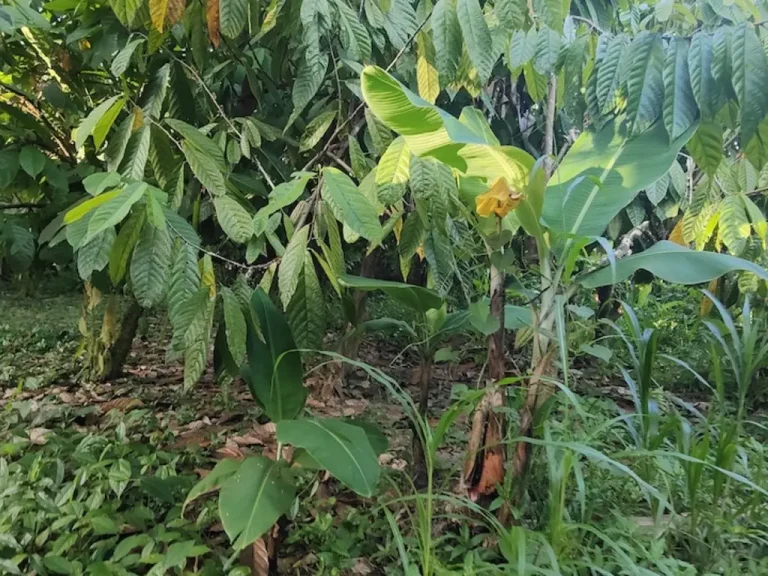
Reforestation at scale requires massive localized infrastructure. Our field teams are actively building and managing high-capacity shade nurseries in collaboration with local workers.
These facilities are vital incubators for native saplings, ensuring that the biodiversity reintroduced to degraded areas perfectly matches the natural endemic ecosystem of the Honduran Mosquitia.
Riparian Expeditions & Geospatial Mapping
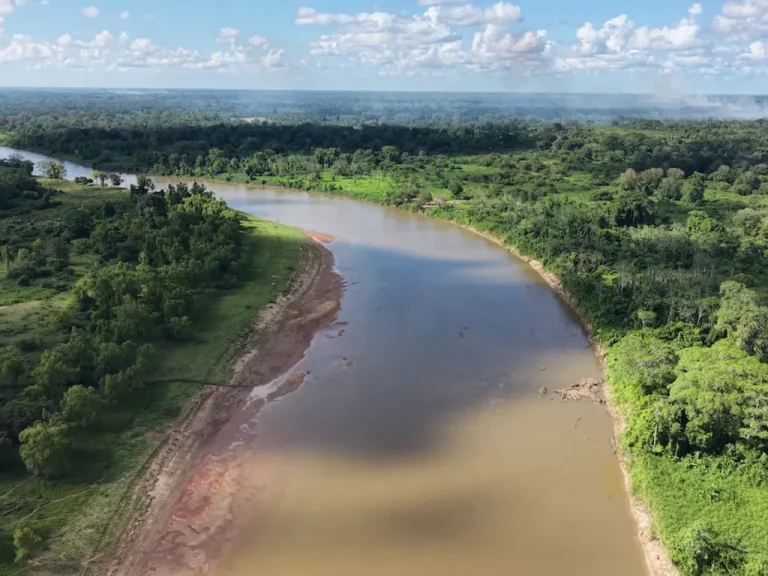
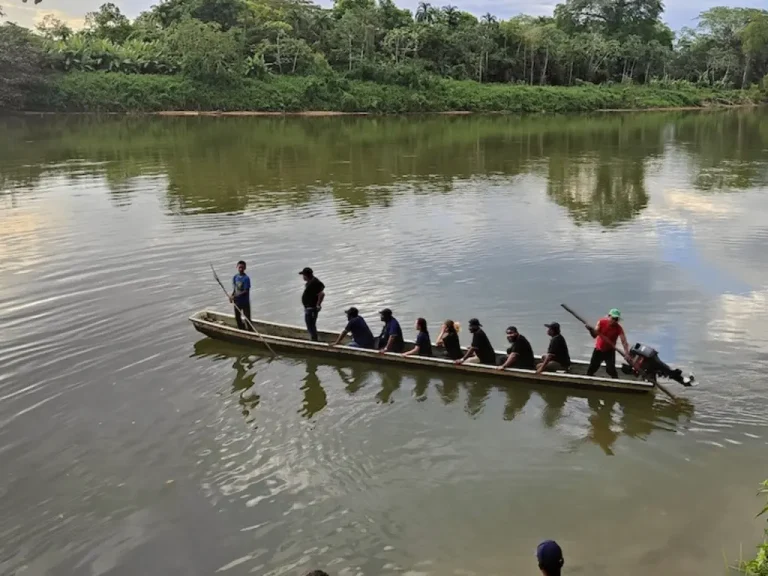
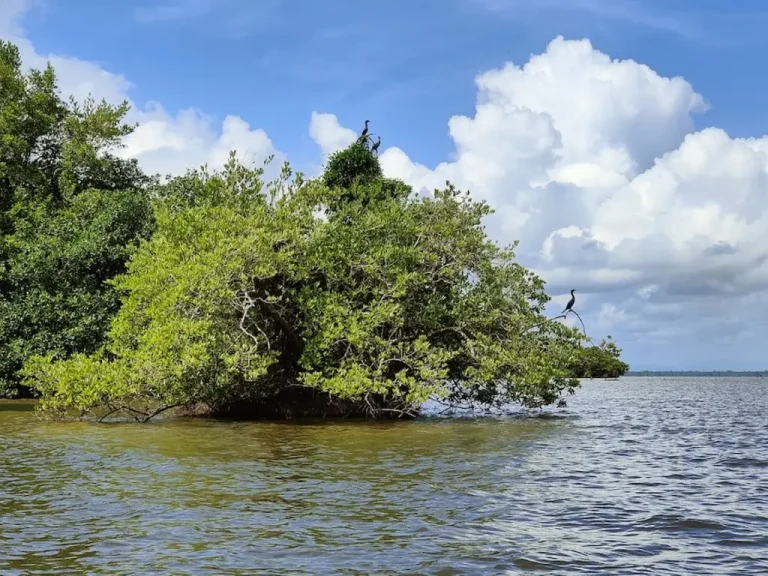
To accurately design our nature-based carbon programs, our teams navigate the complex river and wetland systems of La Muskitia.
By combining boots-on-the-ground expeditions with field mapping technology, we perform rigorous site assessments, measure wetland health, and define boundaries for maximum impact conservation zones.
The Expertise Behind the Impact
Our initiatives are driven by a coalition of specialists in climate finance, biodiversity, and community safeguards who translate ambitious goals into rigorously certified, on-the-ground results.